Imagine you walk into a building where the main door is locked, but the back door is wide open.
The windows have no grills.
Sensitive documents are lying on a table in plain sight.
That building might look secure from the outside, but one small mistake makes everything inside vulnerable.
This is exactly how most insecure web applications work.
The OWASP Top 10 exists to highlight these mistakes.
It is not a list of rare, advanced attacks.
It is a list of the most common ways real websites get hacked.
If you understand this list properly, you already understand how most security breaches happen.
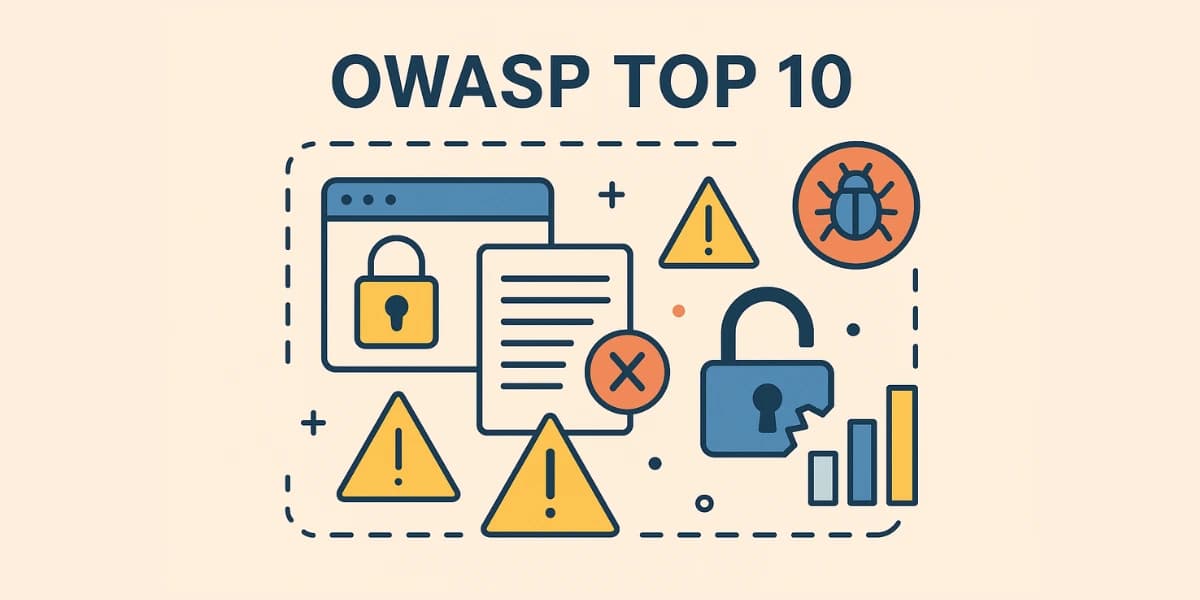
What Is OWASP Top 10?
OWASP stands for Open Web Application Security Project.
The OWASP Top 10 is a regularly updated list of the most critical security risks in web applications, based on real-world data collected from security professionals, bug bounty programs, and penetration tests across the globe.
You can find the official OWASP Top 10 documentation here:
https://owasp.org/www-project-top-ten/
This list is used by:
- developers to secure applications
- companies to assess risk
- bug bounty hunters to find vulnerabilities
- beginners to understand where to start
It answers one simple question:
“How do most applications actually get hacked?”
Why OWASP Top 10 Matters So Much
Many beginners think hacking is about writing complex payloads or using advanced tools.
Reality is simpler and scarier.
Most successful attacks happen because:
- access checks are missing
- input is trusted blindly
- secrets are exposed
- configurations are forgotten
The OWASP Top 10 focuses on human mistakes, not magic tricks.
If you are learning bug bounty, penetration testing, or web security, this list is your foundation.
1. Broken Access Control
Broken access control means users can access things they should not be allowed to access.
The application fails to properly check who you are and what you are allowed to do.
Real-world examples include:
- viewing another user’s profile by changing an ID in the URL
- accessing admin panels without being an admin
- deleting or modifying data that belongs to someone else
This is how many massive data breaches start.
The application assumes:
“The user wouldn’t try this.”
Attackers always try this.
Official OWASP reference:
https://owasp.org/Top10/A01_2021-Broken_Access_Control/
Broken access control is currently one of the most reported vulnerabilities in bug bounty programs.
2. Cryptographic Failures
This happens when sensitive data is not protected properly.
Earlier, this category was called Sensitive Data Exposure.
Common mistakes include:
- storing passwords in plain text
- using weak or outdated encryption
- sending sensitive data over HTTP instead of HTTPS
- exposing API keys or tokens
The problem is not encryption itself.
The problem is using it incorrectly or not using it at all.
Official OWASP reference:
https://owasp.org/Top10/A02_2021-Cryptographic_Failures/
When cryptography fails, attackers do not need to hack accounts.
They simply steal the data.
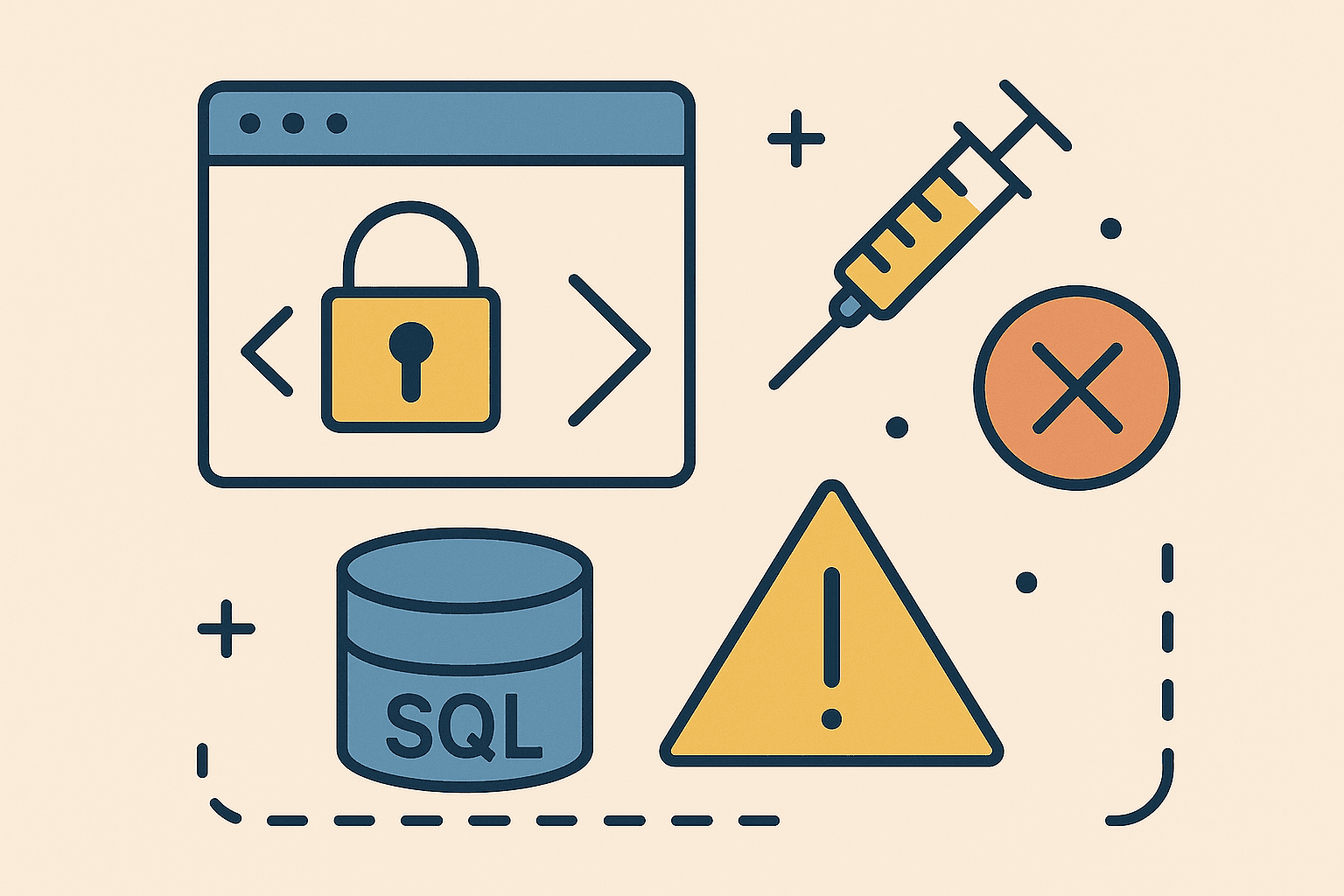
3. Injection
Injection vulnerabilities happen when user input is directly sent to an interpreter without proper validation.
This includes:
- SQL Injection
- Command Injection
- LDAP Injection
- NoSQL Injection
The application thinks:
“This is just data.”
The attacker turns it into:
“This is an instruction.”
Official OWASP reference:
https://owasp.org/Top10/A03_2021-Injection/
A simple input field becomes a doorway into databases, servers, and internal systems.
Injection bugs are dangerous because they often lead to:
- data leaks
- authentication bypass
- full system compromise
4. Insecure Design
This category focuses on design-level security flaws, not coding mistakes.
The application might work perfectly as intended, but the design itself is insecure.
Examples:
- no rate limiting on login attempts
- password reset logic that can be abused
- weak verification flows
- trusting client-side validation
Official OWASP reference:
https://owasp.org/Top10/A04_2021-Insecure_Design/
You cannot fix insecure design with a patch.
You must rethink how the system works.
Many business logic bugs fall under this category.
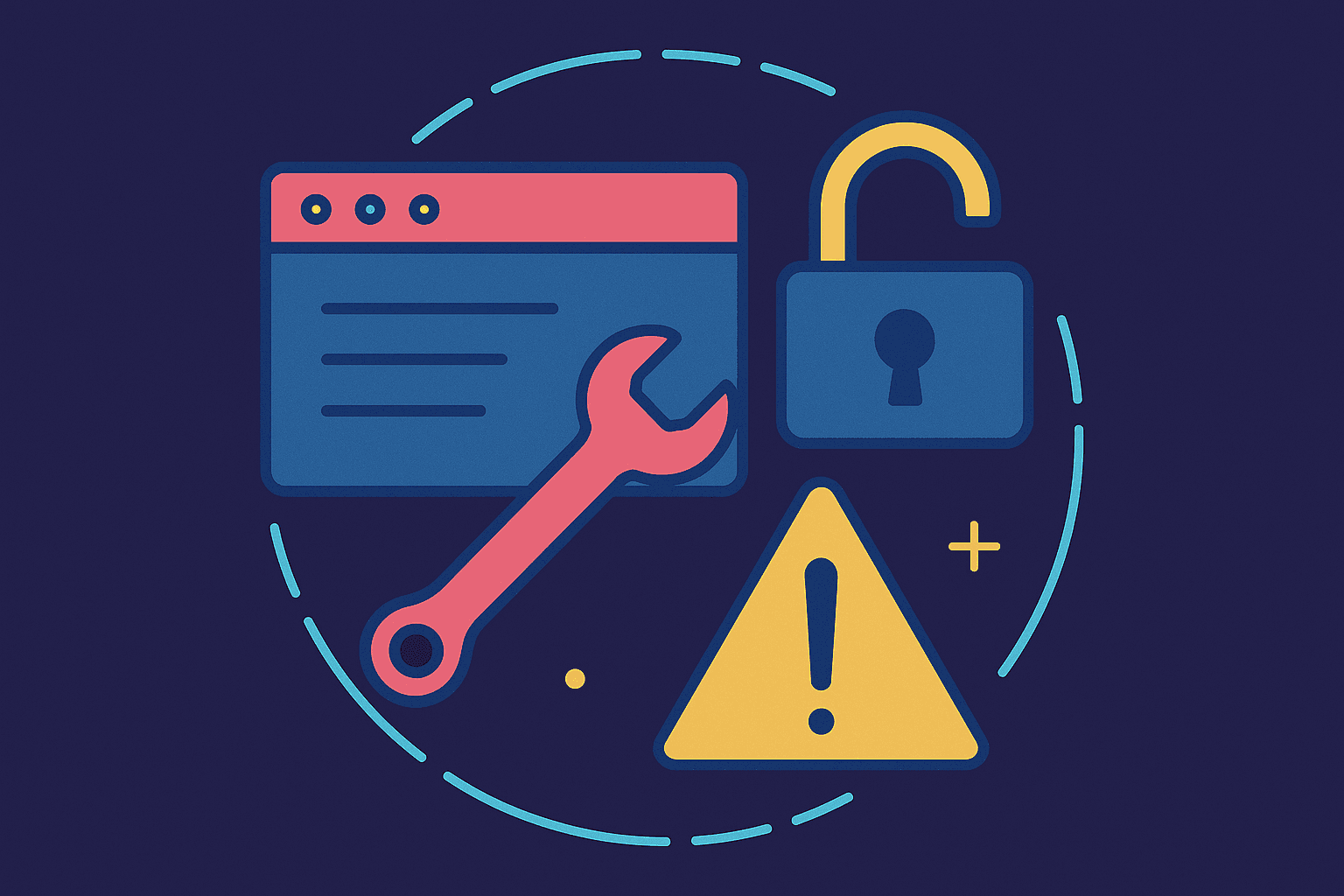
5. Security Misconfiguration
Security misconfiguration happens when systems are left in an unsafe default state.
This includes:
- default credentials still enabled
- debug mode enabled in production
- directory listing turned on
- unnecessary services exposed
- verbose error messages revealing internals
Official OWASP reference:
https://owasp.org/Top10/A05_2021-Security_Misconfiguration/
Developers often forget to harden systems after deployment.
Attackers look for exactly these forgotten doors.
6. Vulnerable and Outdated Components
Modern applications rely heavily on third-party libraries, frameworks, and plugins.
The problem starts when:
- outdated versions are used
- known vulnerabilities are ignored
- components are not monitored for updates
Official OWASP reference:
https://owasp.org/Top10/A06_2021-Vulnerable_and_Outdated_Components/
Attackers do not need to invent new bugs.
They simply exploit known vulnerabilities that were never fixed.
One outdated library can compromise an entire application.
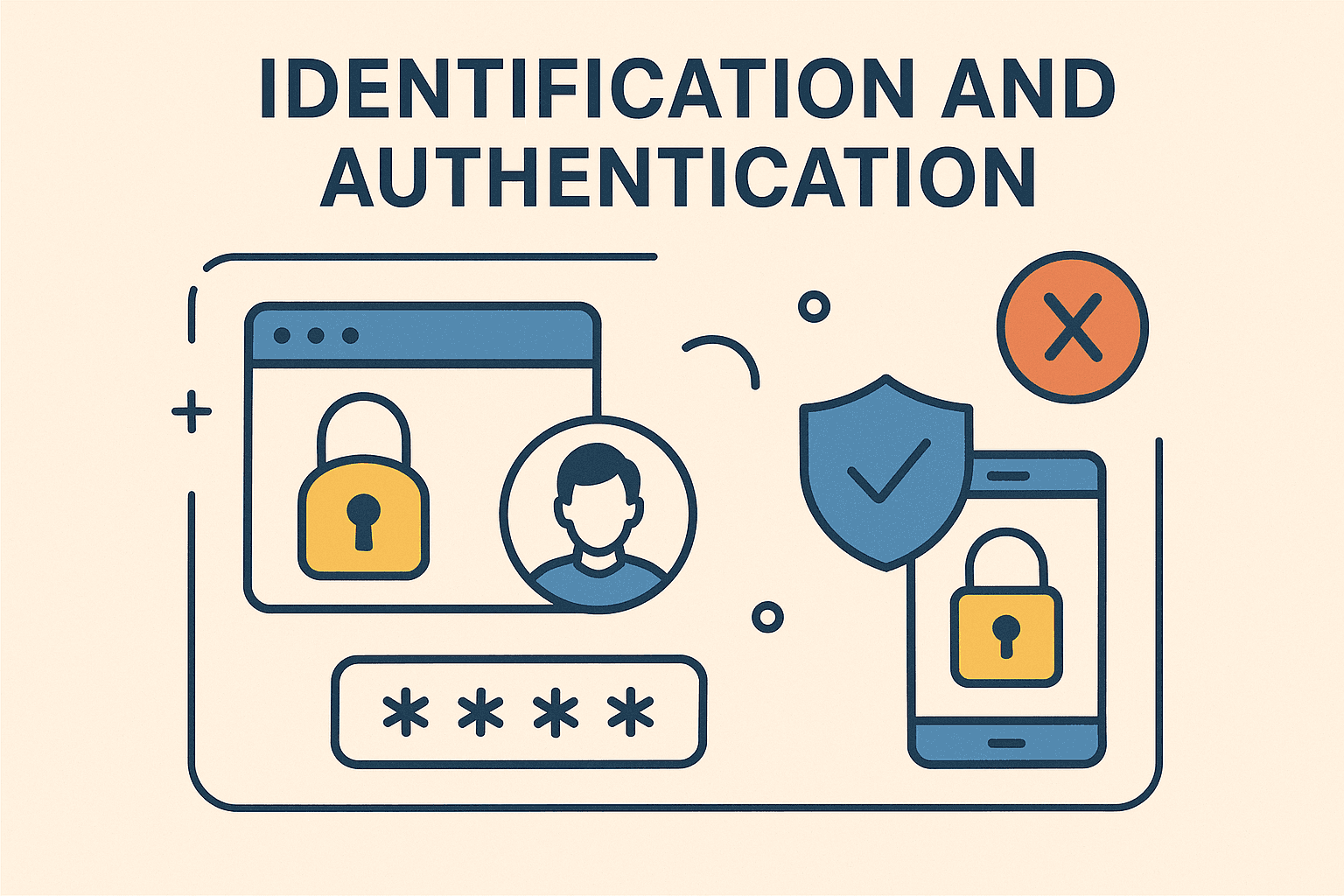
7. Identification and Authentication Failures
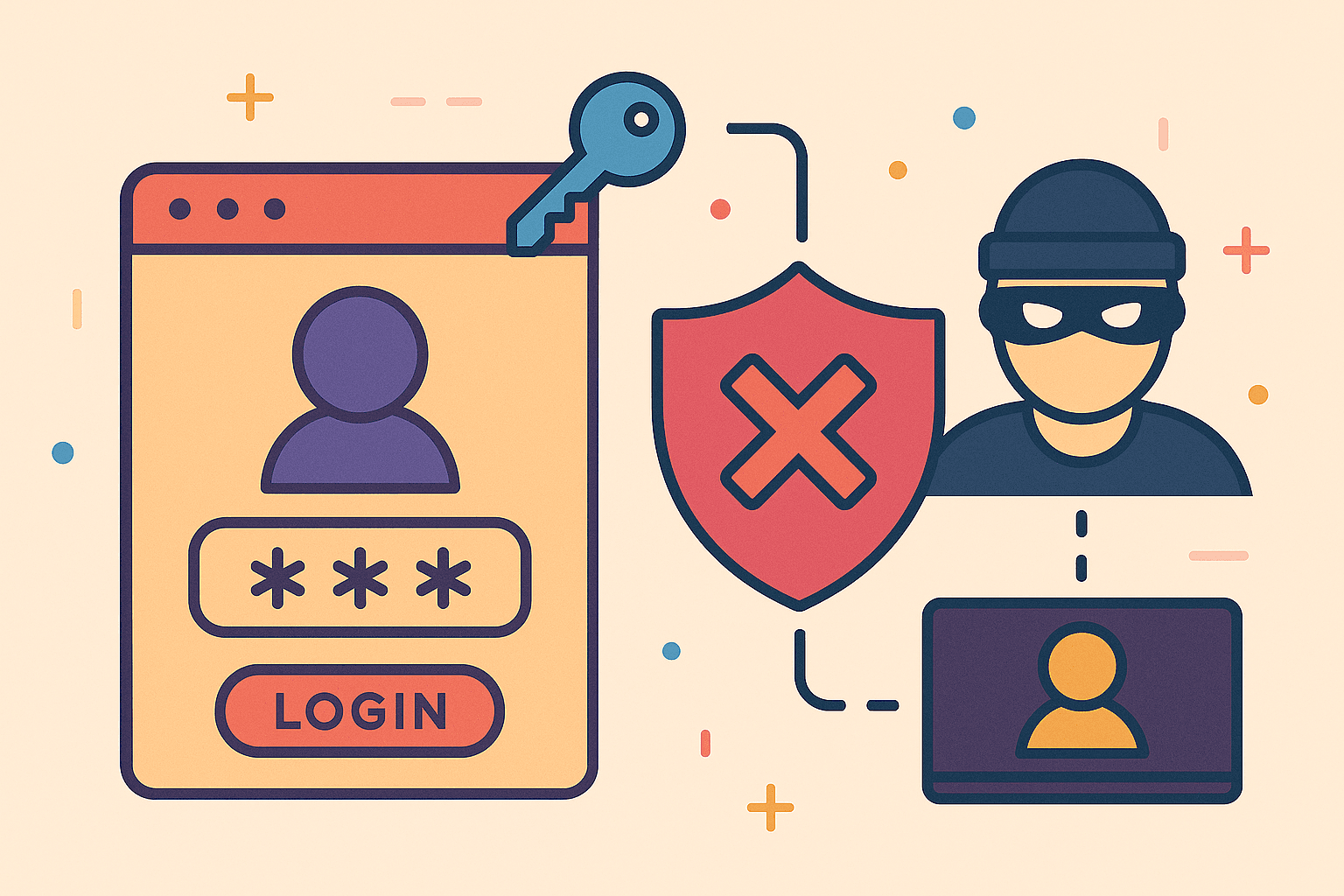
This category covers problems with login systems and session handling.
Common issues include:
- weak passwords
- no account lockout
- predictable session IDs
- broken logout functionality
- insecure password reset mechanisms
Official OWASP reference:
https://owasp.org/Top10/A07_2021-Identification_and_Authentication_Failures/
If authentication fails, attackers do not need exploits.
They just log in as someone else.
8. Software and Data Integrity Failures
This happens when applications trust updates, plugins, or data without verification.
Examples include:
- unsigned software updates
- insecure CI/CD pipelines
- trusting external data sources blindly
Official OWASP reference:
https://owasp.org/Top10/A08_2021-Software_and_Data_Integrity_Failures/
If attackers can tamper with updates or dependencies, they gain control before the application even runs.
This is extremely dangerous and often overlooked.
9. Security Logging and Monitoring Failures
Many attacks go unnoticed not because defenses fail, but because no one is watching.
Common problems:
- no proper logging
- logs not monitored
- alerts ignored
- no incident response plan
Official OWASP reference:
https://owasp.org/Top10/A09_2021-Security_Logging_and_Monitoring_Failures/
Attackers rely on silence.
If no one notices suspicious behavior, they stay inside systems for months.
10. Server-Side Request Forgery (SSRF)
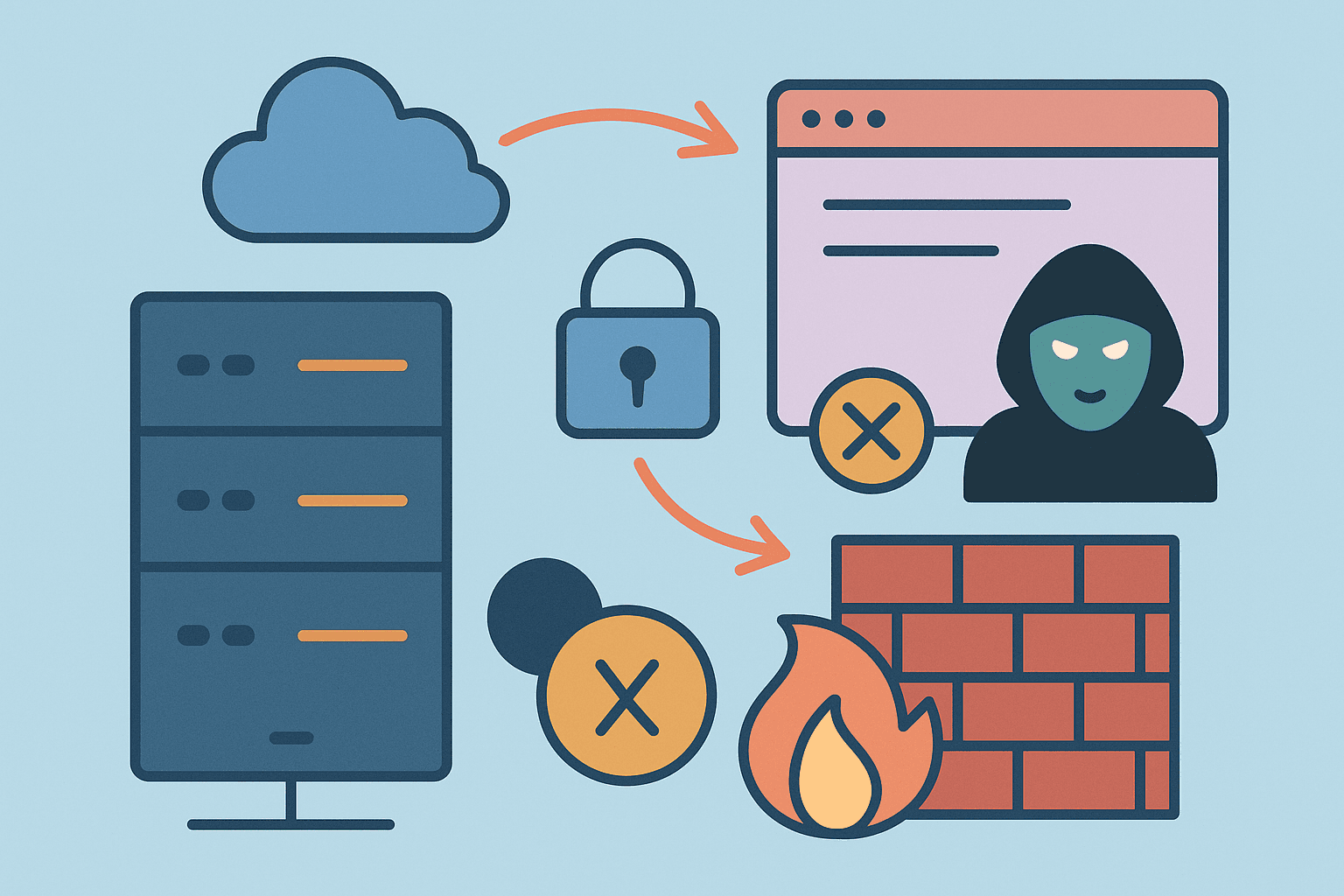
SSRF happens when an application fetches a URL based on user input, and attackers control that URL.
This allows attackers to:
- access internal services
- reach cloud metadata endpoints
- bypass firewalls
- extract sensitive internal data
Official OWASP reference:
https://owasp.org/Top10/A10_2021-Server-Side_Request_Forgery_%28SSRF%29/
SSRF is especially dangerous in cloud environments.
Why Most Real Attacks Involve Multiple OWASP Issues
Real-world breaches rarely rely on just one vulnerability.
Usually:
- a misconfiguration reveals an endpoint
- broken access control exposes data
- injection extracts credentials
- logging failures hide the attack
Attackers chain small issues together.
Defenders often fix big things and miss small gaps.
That gap is where attackers live.
How Beginners Should Use OWASP Top 10
Do not memorize this list.
Understand it.
When you test a website, ask:
- Can I access something I should not?
- Is input trusted too much?
- Are secrets exposed?
- Is something forgotten or misconfigured?
OWASP Top 10 is not a checklist.
It is a way of thinking.
Final Thought
You do not need advanced exploits to break most applications.
You need curiosity.
You need patience.
You need to question assumptions.
The OWASP Top 10 teaches one powerful lesson:
Most systems fail not because attackers are smart, but because basics are ignored.
Master the basics.
Everything else builds on top of that.