IMost security breaches do not begin with advanced exploits or rare zero-day vulnerabilities. In reality, they usually start with very small, almost invisible details. Things that appear harmless at first glance. Things that feel too minor to worry about. Things developers often assume are “not a big deal” and move on from.
Attackers, however, think very differently. Hackers are not always hunting for the hardest or most complex bug. They are looking for the simplest mistake that gives them leverage. The kind of oversight that can be chained with other weaknesses to create real impact. And more often than most teams realize, those mistakes are already sitting in plain sight, waiting to be noticed.
In this article, we will walk through seven small things hackers routinely check during an attack and explain why developers frequently overlook them, even though they play a critical role in real-world security breaches.

1. Verbose Error Messages
From a developer’s point of view, error messages feel helpful and harmless. They speed up debugging, explain what went wrong, and reduce development time. During testing, detailed errors are often seen as a productivity boost rather than a risk.
From an attacker’s point of view, however, error messages are free intelligence. Hackers deliberately try to trigger errors by sending unexpected inputs, breaking parameters, or forcing edge cases. Their goal is not to use the application correctly, but to make it fail in ways that reveal internal details.
They carefully look for error messages that expose critical information such as:
- Database names
- Table or column names
- File paths
- Framework versions
- Internal logic or stack traces
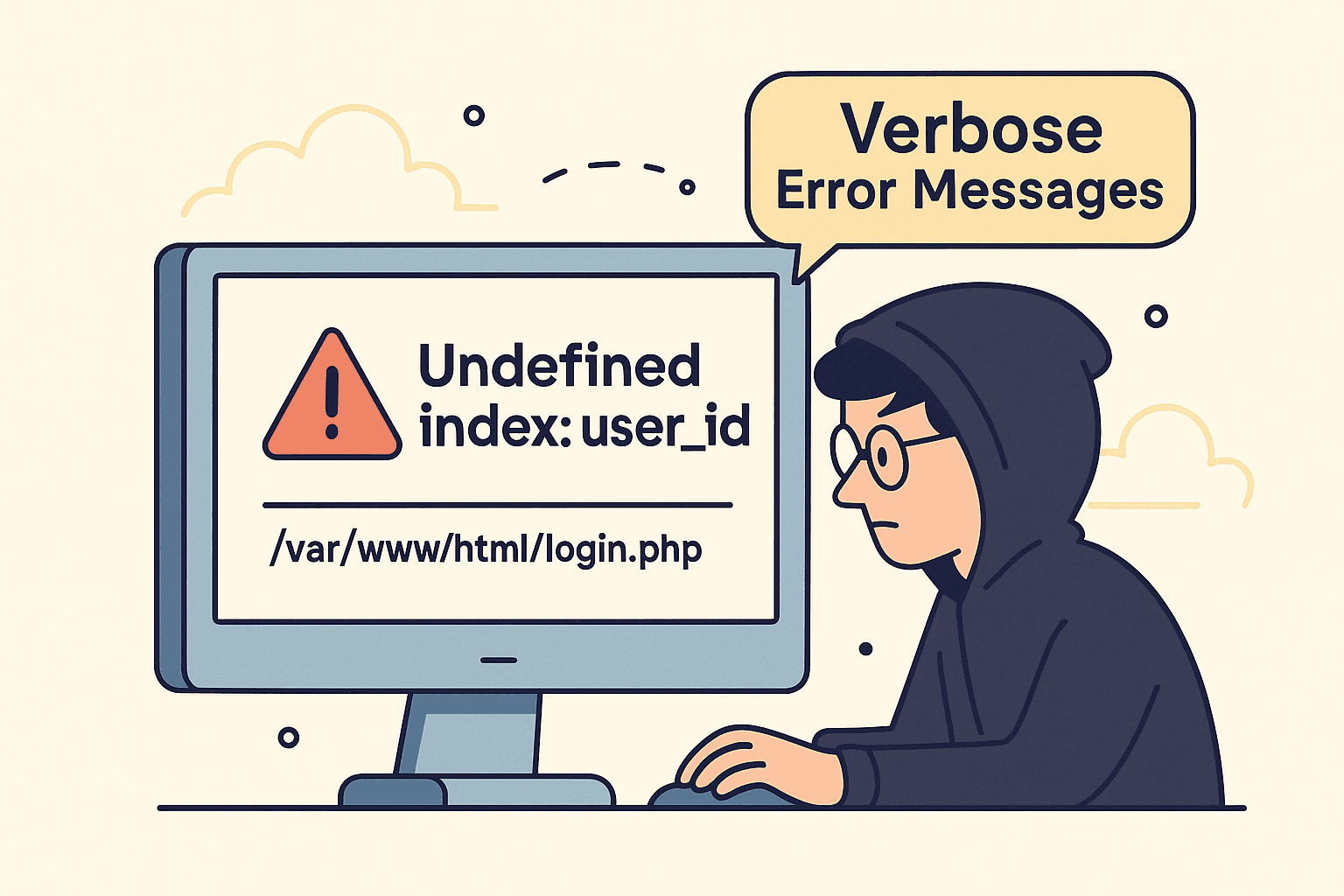
Even a single line like “Undefined index user_id in /var/www/html/login.php” tells a complete story. It reveals the programming language, the directory structure, and clues about how authentication is handled. That one message can significantly reduce an attacker’s guessing effort.
Developers often overlook this risk because the application still works as expected. But attackers do not need the system to work perfectly. They only need information. A small detail for a developer can become a big advantage for an attacker.
2. Inconsistent Authorization Checks
One of the most common real-world security problems is not missing authentication, but inconsistent authorization. In many applications, developers carefully protect the main pages, dashboards, and obvious entry points, but forget to enforce the same permission checks everywhere else. This creates hidden gaps that are easy to miss during development but extremely attractive to attackers.
Hackers actively look for places where authorization logic is applied in one area but missing in another. They do not follow the intended user flow. Instead, they probe the application from multiple angles, testing whether access controls are truly enforced on the backend or only assumed at the frontend level.
They typically test things like:
- Accessing direct URLs without proper permissions
- Changing numeric IDs in requests to access other users’ data
- Calling APIs directly instead of going through the UI
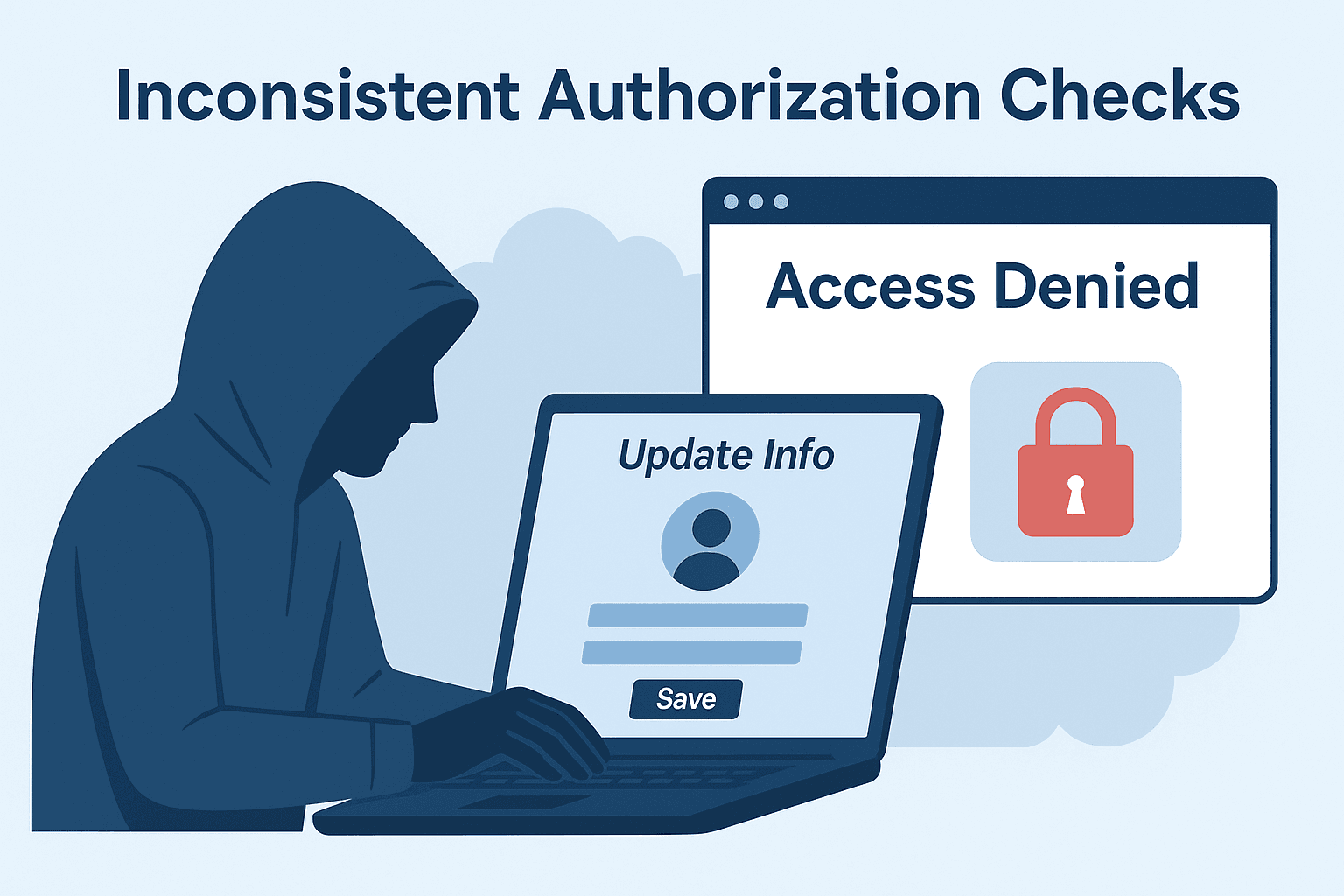
For example, a user may not be able to view another user’s data through the interface. Everything looks secure on the surface. But if the backend API accepts a request like /api/user/102 without verifying ownership or role permissions, the data becomes exposed instantly. No exploit is needed, just a modified request.
Developers often assume that if the frontend flow is locked down, the system is secure. Hackers never make that assumption. They test every path, every endpoint, and every parameter, knowing that a single missed authorization check can lead to serious data exposure.
3. Leftover Debug or Test Endpoints
During development, temporary endpoints are extremely common. Developers create quick routes and hidden paths to test APIs, verify business logic, or speed up development without affecting the main application flow. At the time, these endpoints feel harmless and convenient.
They are usually created to:
- Test APIs
- Verify logic
- Speed up development
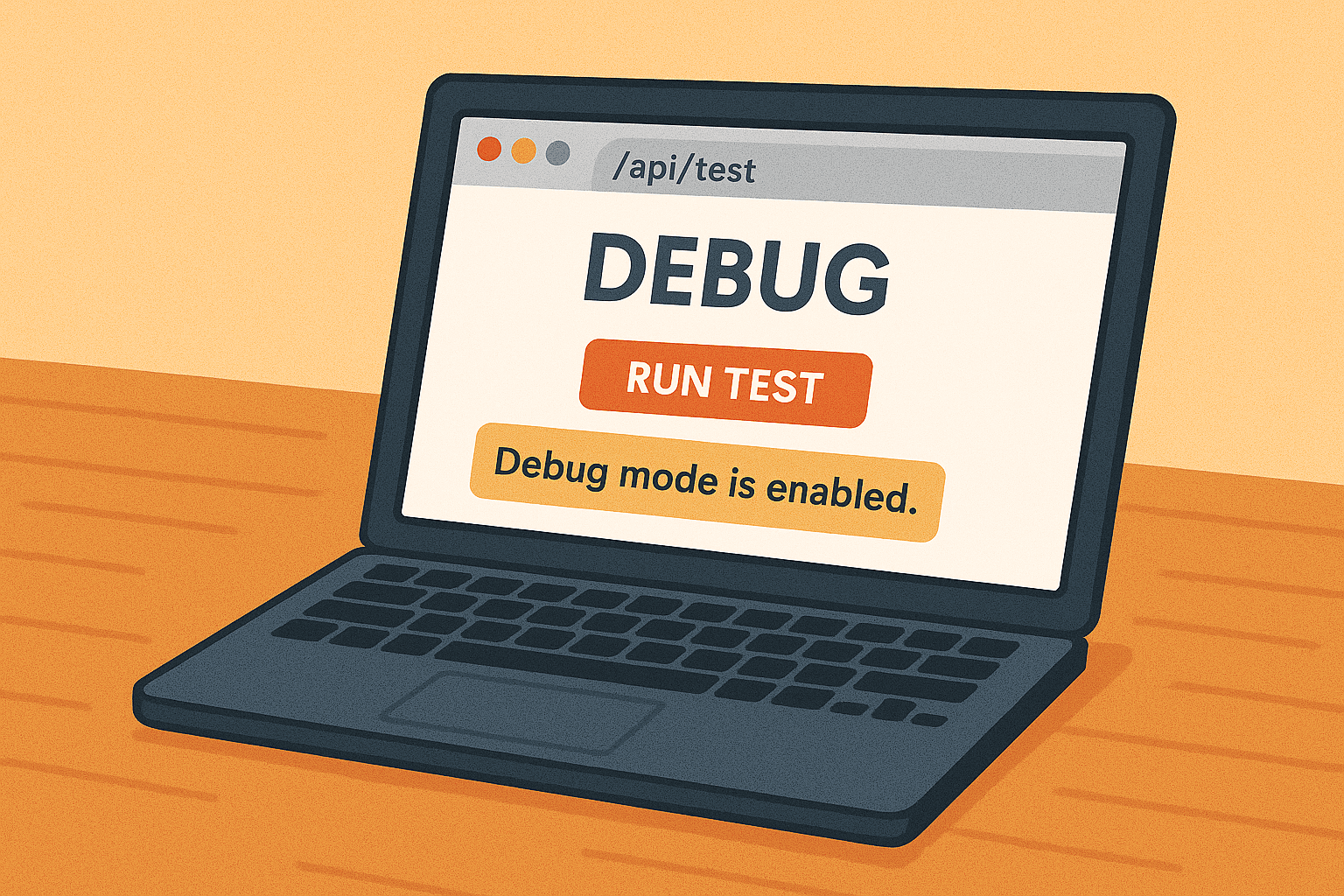
The problem starts when development ends, but these endpoints remain. They are forgotten, undocumented, and never reviewed before deployment. While they may not appear in the UI or main routing logic, they still exist on the server and are fully accessible to anyone who knows where to look.
Hackers actively search for endpoints like:
- /test
- /debug
- /dev
- /old
- /backup
These paths often lack proper authentication, expose sensitive internal data, or allow actions that should never be available in production. In some cases, they provide direct access to admin functionality or internal system states with little to no security.
Developers tend to ignore these endpoints because they are “not part of the real application” or are assumed to be unused. Hackers love them for the exact same reason. They often bypass the real security controls and provide an easy entry point with minimal effort.
4. Missing or Misconfigured Security Headers
Security headers are one of those things that are easy to overlook because they are invisible to users. No one complains about missing headers, no feature breaks without them, and the application continues to run normally. From the outside, everything appears fine.
That is exactly why developers often ignore them. When something does not cause visible errors or impact functionality, it naturally falls lower on the priority list, especially under tight deadlines.
Hackers, on the other hand, always check response headers first. They look for critical protections such as:
- Content-Security-Policy
- X-Frame-Options
- X-Content-Type-Options
- Referrer-Policy
When these headers are missing or misconfigured, common attacks become significantly easier. Clickjacking becomes possible, XSS payloads gain more freedom to execute, and sensitive data can leak through browser behavior rather than server-side flaws.
Developers often assume that using HTTPS is enough to keep users safe. Hackers know better. HTTPS only encrypts traffic in transit. Security headers decide how the browser interprets, executes, and protects that content. And when those rules are weak or missing, the browser itself becomes an attack surface.
5. Predictable File and Resource Names
Humans naturally love patterns, and developers are no exception. File and folder names are often chosen for clarity and convenience, not security. As a result, predictable naming schemes quietly make their way into production systems without raising any alarms.
Hackers actively look for common and predictable paths such as:
- /uploads/
- /images/
- /files/
- /documents/
They also test sequential or guessable file names like invoice_001.pdf, report_2023.pdf, or user_12.jpg. When files are publicly accessible and naming follows an obvious pattern, attackers can enumerate sensitive resources without using a single exploit. No vulnerability scanner is needed, just logic and patience.
Developers often assume that users will only access files that are linked through the application. Hackers never follow that assumption. They do not rely on links. They guess, enumerate, and map everything that might exist until something valuable appears.
6. Client-Side Validation Trust
Client-side validation is great for user experience. JavaScript checks help prevent bad input, reduce unnecessary server requests, and guide users to submit data in the correct format. From a usability standpoint, it makes applications feel smoother and more reliable.
But hackers understand one thing very clearly. Client-side validation is optional. It only exists in the browser, and the browser is fully under the attacker’s control. JavaScript can be disabled, modified, or bypassed entirely. Requests can be crafted manually using custom tools without ever touching the UI.
Because of this, attackers actively test things like:
- Maximum limits
- Disabled fields
- Hidden parameters
- Client-only restrictions
Anything that is enforced only on the client side can be ignored or altered. A field marked as “read-only” or a button that is visually disabled means nothing when the request itself can be rewritten.
Developers often overlook this risk because the UI appears to prevent misuse. Hackers never rely on the UI. They interact directly with the backend, where real security either exists or does not.
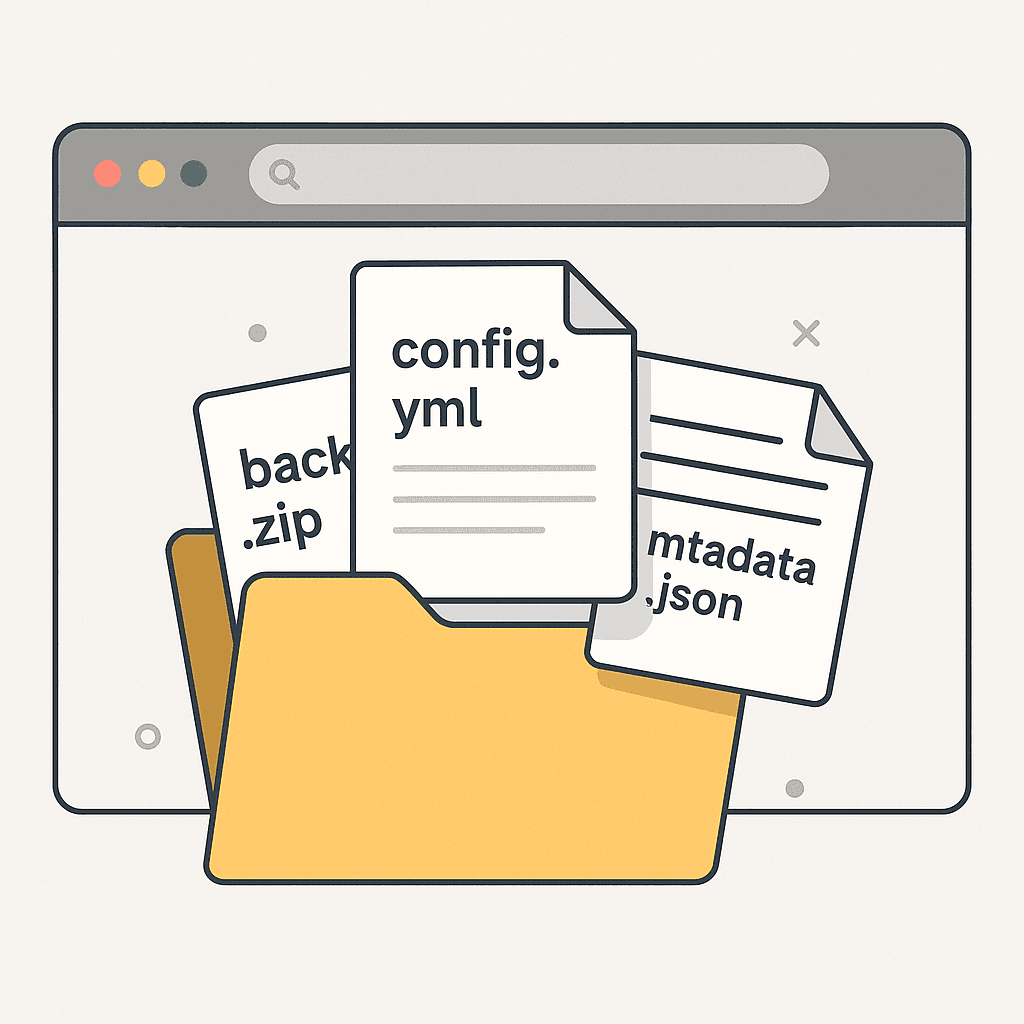
7. Forgotten Configuration and Metadata Files
Some files are never meant to be accessed by users. They are created for development, deployment, or version control purposes, not for public consumption. But when these files are accidentally exposed, they can become far more dangerous than a typical application bug.
Hackers actively check for common configuration and metadata files such as: .env
- .git
- .git/config
- .DS_Store
- Backup files ending with .bak or .old
When accessible, these files can reveal highly sensitive information, including:
- API keys
- Database credentials
- Internal directory structure
- Deployment secrets
Developers often forget about these files because they are not part of the application’s core logic and do not affect functionality. Hackers, however, check them first. By accessing these files, they can bypass application logic entirely and gain direct insight into how the system is built and configured.
Why These Small Things Matter
None of these issues look critical when viewed in isolation. On their own, each one feels minor, easy to ignore, or not worth urgent attention. And that is exactly where the real danger lies.
Security failures almost never come from one massive, obvious mistake. They emerge when multiple small gaps quietly connect together. What seems harmless at first becomes powerful when combined with something else.
A leaked error message reveals a file path. A predictable file name exposes sensitive data. A missing authorization check leads to full account access.
Hackers think in chains, not single bugs. They connect small weaknesses until they form a complete attack path. Developers, on the other hand, tend to focus on fixing big, visible issues while overlooking the smaller ones.
That gap between what feels minor and what can be chained is where most real-world vulnerabilities actually live.
How Developers Can Think Like Hackers
You do not need to become a hacker to build secure applications. You do not need advanced exploits or deep offensive skills. What you really need is a shift in how you think about your own code.
Security starts by questioning assumptions. Many vulnerabilities exist not because developers are careless, but because they assume users will behave as expected. Attackers never do.
Instead of only asking, “Does this work?”, start asking deeper questions like:
- What happens if this fails?
- What happens if someone skips the UI entirely?
- What happens if someone guesses instead of clicks?
When you think this way, weak points become obvious. You begin to notice where logic is trusted, where checks are missing, and where behavior is assumed rather than enforced.
Security is not about adding complexity or piling on tools. It is about curiosity. The willingness to look at your application the way an attacker would and challenge every assumption along the way.